Scientifically-Based Benefits of Creatine – Do You Know Them All?
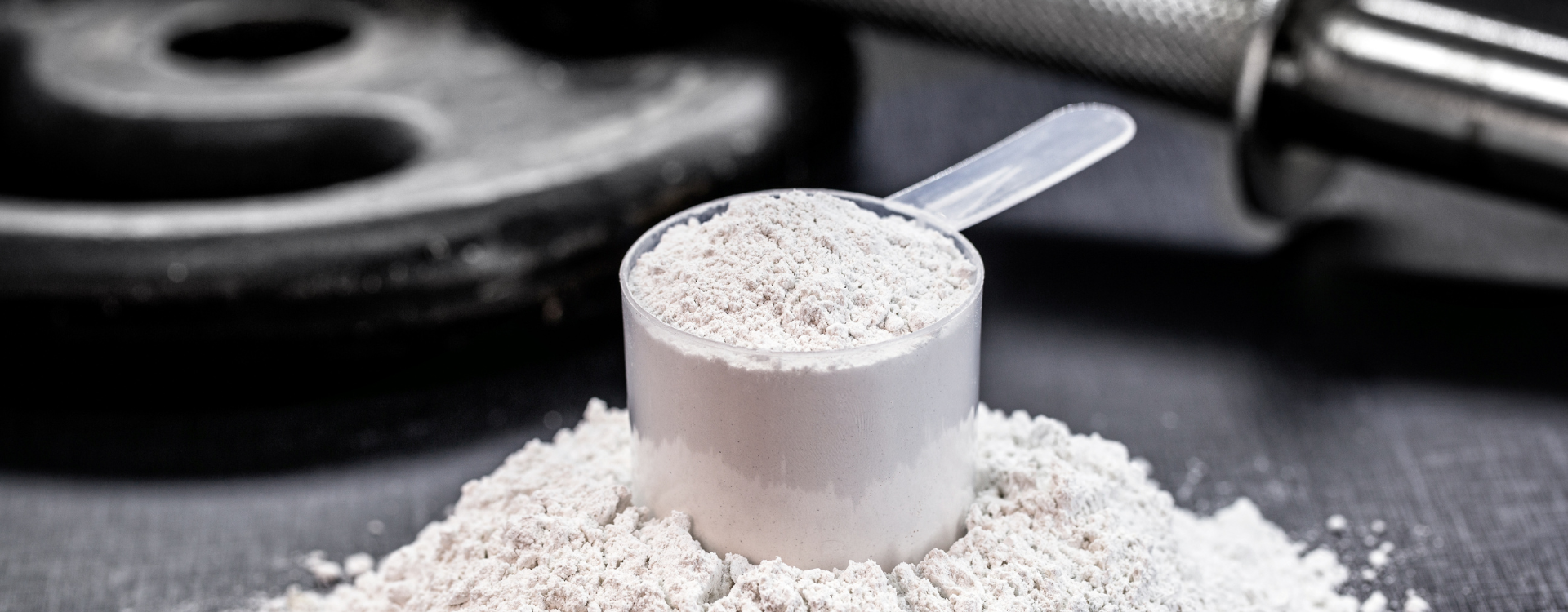
Creatine is a very popular sport supplement. Do you consider using it to support your exercise? It is easy to feel overwhelmed with so much conflicting advice. What is the scientific basis for creatine? From how it supports your muscles to what happens when you stop taking it, we will help you decide if creatine may be useful to you.
What Is Creatine and Where Does It Come From?
Creatine has a crucial role in energy production, especially in muscle cells. It is synthesised from three amino acids: arginine, glycine, and methionine in the liver, kidneys, and pancreas. It helps regenerate ATP (adenosine triphosphate), which is the body’s primary energy ‘currency.’
You naturally get creatine from food: mostly animal products like meat and fish. Almost all of the body’s total creatine is stored in skeletal muscle, where it supports performance in short, high-intensity efforts such as sprinting or heavy lifting. Your daily requirement is around 1–3 grams, half of which your body can make, while the rest typically comes from your diet.
However, vegetarians and vegans get little creatine from food sources because plants do not contain it. As a result, their intramuscular creatine stores are often lower, but this also means they may be more responsive to creatine supplementation.
Most creatine supplements today are synthetic, chemically identical to the molecule your body produces, and 100% vegetarian-friendly. They are typically made through a controlled reaction between sarcosine and cyanamide in an industrial setting, not derived from animals. Whether you are looking to enhance training performance or just restore optimal levels, supplementation can help fill the gap.
How Creatine Works in the Body?
Your muscles burn ATP for energy when you sprint or lift weights. Creatine’s main job is to help recycle ATP. In muscle cells, it combines with a phosphate to form phosphocreatine (PCr), which can quickly donate a phosphate to ADP (adenosine diphosphate) to make new ATP. In essence, creatine acts as an energy buffer, so ATP can be regenerated on the fly during short, intense effort.
Among all workout supplements currently available, creatine monohydrate is arguably the most thoroughly researched and effective for increasing lean muscle mass and strength. Rapid ATP resynthesis allows for improved performance during repeated sets of resistance or sprint training – precisely the impulses needed to stimulate muscle hypertrophy in the long term.
Regular use of creatine increases training volume, improves strength development, and accelerates lean body mass gain, especially when combined with progressive overload. The best creatine supplements are designed to support muscular adaptation and physical performance. Their use is particularly beneficial during resistance training. You can combine it with other workout supplements such as protein powders.
Creatine may play an important role in reducing exercise-induced muscle damage (EIMD) and stress following intense training sessions – all of which contribute to faster and more efficient recovery.
Creatine does not affect sleep but because due to its supportive role in cellular energy balance and nervous system function, it may complement other supplements for good sleep and recovery, such as magnesium or L-theanine. Creatine can be considered a valuable addition to a comprehensive strategy for recovery.
The purpose of using creatine is not simply to burn fat. It is not a thermogenic compound and will not increase your basal metabolic rate or suppress appetite in the way that traditional fat burners do.
You are probably curious if creatine can help you lose weight. It can improve energy production in short bursts by increasing phosphocreatine stores in the body. Over time, this leads to increased lean muscle mass and improved exercise efficiency. Creatine supplementation may lead to a slight increase in total body weight, mainly due to water retention in the muscles, not fat gain.
Different Types of Creatine: What Creatine Should You Buy?
Creatine monohydrate is a very popular form of creatine. Users appreciate it for its wide availability on shop shelves and reasonable price. However, if you experience minor digestive problems after taking it, there are several other types of creatine supplements to choose from, which are really worth trying out to find the one that suits your needs and expectations.
One of these options is creatine HCl. This version is often advertised as more soluble and gentler on the stomach, especially for people who experience gastric discomfort after consuming monohydrate. Because it is more concentrated, smaller doses are typically needed, and water retention is reduced, which may be appealing to athletes competing in weight-class sports or bodybuilders in the fat-loss phase.
Creatine malate is a combination of creatine and malic acid. Some people notice less water retention compared to monohydrate and reduced digestive discomfort. However, muscle growth may be slower (but equally effective), and its price is higher.
Another option is creatine nitrate, a combination of creatine and nitrate, which can improve blood flow thanks to its vasodilatory properties. Creatine gluconate is creatine combined with glucose, which may accelerate the transport of creatine to muscle cells, mimicking the effect of taking it with carbohydrates.
Your body may react differently to each of these forms of creatine, so do not focus only on the effects, but carefully observe your body and the signals it sends you during supplementation. Remember that if you have any doubts, you can consult a qualified nutritionist. If you suffer from chronic diseases or notice any worrying symptoms, consult your GP. Although creatine is widely used and very popular, some forms may be better suited to individual needs or contraindications.
If you are on a vegan or vegetarian diet, check the labels of the products you buy. Most creatine supplements are produced synthetically in laboratory conditions, but some flavoured powders or capsule coatings may contain ingredients of animal origin. Look out for products that are clearly labelled as vegan and tested for purity.
Is Creatine Safe to Take? What You Need to Know
Creatine is considered a safe supplement for athletes and amateurs, provided that it is taken in the recommended doses and by people without any medical conditions. Importantly, it is not listed as a banned substance by recognised global anti-doping agencies, such as the World Anti-Doping Agency (WADA).
Contrary to popular myth, creatine is not a steroid and does not cause an artificial increase in hormone levels such as testosterone. Its role is rather in muscle energy metabolism, in particular by increasing the availability of phosphocreatine, which helps in ATP regeneration during intense exercise.
Another common concern is whether creatine affects the kidneys. Among healthy individuals, there is no reliable evidence linking creatine use to kidney damage. However, if you have pre-existing kidney disease or are at risk of kidney dysfunction, be sure to consult your doctor before starting creatine.
Although creatine is generally safe, there are a few potential side effects to be aware of. Some users may experience mild digestive discomfort, such as bloating or stomach cramps, especially during the initial phase or when consuming too large a dose at once. To reduce the risk, it is often better to start with a lower dose and ensure adequate hydration.
All in all, if you are just starting out with supplementation, creatine stands out as one of the best supplements for beginners at the gym due to performance benefits, affordability, and effectiveness proven by scientific research. However, individual factors matter – your overall diet, training intensity, and health status should always guide your supplement choices. Remember that even the best supplements cannot replace healthy food, physical activity, and good recovery.
What Happens When You Stop Taking Creatine?
The good news is that discontinuing creatine supplementation does not cause sudden loss of strength or muscle mass. Creatine is not a drug or hormone. It is a naturally occurring compound that the body produces from amino acids. After you stop taking it, creatine stores in your muscles gradually return to initial level in a few weeks, as your body begins to rely solely on endogenous production and dietary intake again.
However, a slight decrease in training performance may be noticed, especially in activities requiring short-term, high-intensity effort (such as sprinting or weightlifting). This is due to a decrease in the availability of phosphocreatine, which plays a key role in the rapid regeneration of ATP during exercise. Another change that can be observed is a slight loss of water. Creatine increases water retention in muscles, giving them a fuller appearance. After discontinuing supplementation, the water content in muscles returns to normal, which can lead to a slight but noticeable weight loss. However, this is not a loss of muscle tissue.
For those who include creatine in their daily supplements for men or women, discontinuing use does not mean starting over. But if you are in a phase where performance, strength, or lean body mass are priorities, it is usually best to maintain consistent intake. As always, whether you continue or discontinue use, your overall training practices, nutrition, and recovery will ultimately determine your long-term progress. Creatine is a powerful tool, not a magic solution.
So, Is Creatine Worth It?
Still wondering if creatine is worth it? The evidence speaks for itself. Creatine is one of the most researched, affordable, and effective supplements available on the market – not only for elite athletes, but also for anyone who wants to improve their strength, support lean muscle growth, or recover more effectively after training. It offers real, measurable benefits without the hormonal side effects or health risks associated with more aggressive performance-enhancing products.
Ultimately, the decision to add creatine to your routine should be based on your individual goals, health status, and training style. However, if you are looking for a supplement that is safe, proven, and practical, creatine meets all these requirements. As always, choose high-quality products that have been tested by independent institutions, use dosages based on scientific evidence, and consult your doctor if you have any medical conditions or concerns.