Creatine – What It Does, Uses, Benefits and Side Effects
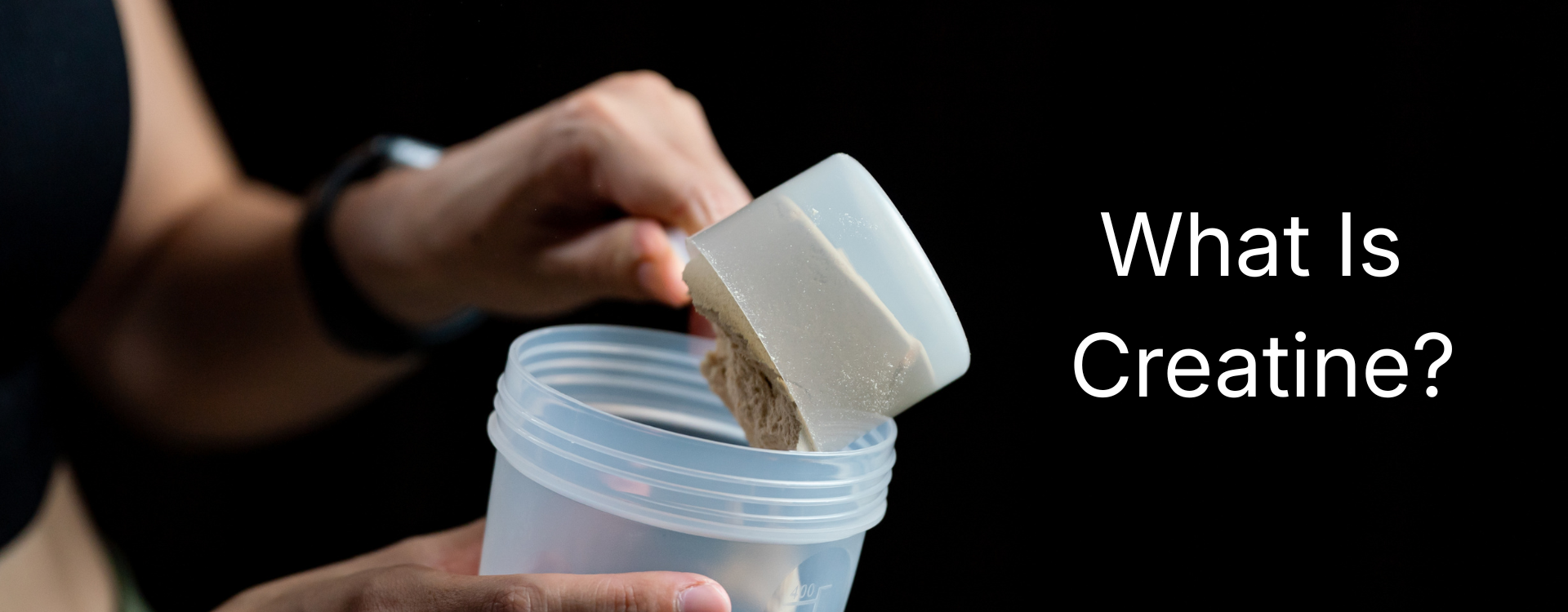
What Is Creatine?
From the scientific point of view, creatine is a derivative of acetic acid. It was identified in 1832 by Michel-Eugène Chevreul, a French chemist. The name creatine itself comes from the Greek word kreas, which means meat. It’s quite reasonable, since creatine occurs mainly in red meat.
Following research showed that ingesting creatine can drastically boost its concentration in the muscle and – which is even more important – raise phosphocreatine (PCr) that is used to generate ATP, a basic molecule vital for energy generation. So simply saying, the more creatine is gathered in the muscles, the faster is ATP resynthesis.
Circa 50% of all creatine in your body is produced by liver, kidneys, and pancreas. Most of it is stored in muscles, only about 5% fuels heart, brain and other tissues. The other half of creatine should be supplied with food (mostly red meat, like beef, pork, and veal).
What Does Creatine Actually Do in the Body?
The role of phosphocreatine is to create an energy needed for physical activity. It helps to rebuild ATP, a basic energy source. An ATP runs out in 8 to 10 seconds and then must recreated. Due to creatine presence, muscle mass and strength grow faster and muscle tissue adapts easier to the workload. With creatine supplementation you can lift heavier weights, do more reps and run sprints with more power.
In most cases, creatine is used during the bulking phase. However, it can be helpful also while shredding, because of support for muscle contraction strength. The results are prominent, especially if your diet is low on red meat or plant-based (e.g. vegan diet), because natural resources of creatine can be lowered. Although even with a balanced all-round diet most of the people notice a difference in muscle size, strength and endurance.
How to Use Creatine Correctly for Best Results?
Bioavailability of creatine depends on its chemical form. One of the best are creatine pyruvate, citrate and malate. Most basic, however, remains a creatine monohydrate. There are two different strategies of timing and dosing creatine and both are well established in science.
- The first protocol includes a loading phase with ingestion of 20-25 g creatine for 5 to 7 days. Then comes the maintenance phase, when you should take 3 to 5 g of creatine.
- The second protocol omits loading phase and is based on constant supplementation with 3 to 5 g of creatine every day.
While loading phase can quickly fill up your muscles, it also leads to a greater weight gain (circa 2% of body weight) due to increased muscle water content and the osmotic effect of increased intracellular concentrations of phosphocreatine and creatine to increased muscle glycogen storage. Thus, while muscle mass can increase faster, additional weight can impair effectiveness of sports in which outcomeis connected with weight, like martial arts or running.
To maximise creatine supplementation results, remember to drink a lot of water, even 100 to 140 fl oz. Fluids are essential to create a favourable environment for muscle growth.
Key Benefits of Taking Creatine Supplements
Creatine is usually used to improve athletic performance, although there are other benefits of its supplementation.
Energy provision
Foremost, creatine increases muscles’ phosphocreatine resource. A PCr is used to generate ATP, a chemical compound vital for all biological functions, not only muscle contractions. The higher PCr stores are, the faster ATP replenishes.
Increased muscle growth
Creatine also affects molecular pathways connected with muscle tissue build, repair and growth, as well as stimulates IGF-1 excretion. Insulin-like Growth Factor Type 1 inhibits muscle catabolism (by decreasing myostatine activity) and promotes anabolism, which results in greater muscle growth. You can also count on quick visual changes – due to enhanced hydration, muscles become bigger.
Faster muscle building
If you are consistent about creatine supplementation, your muscle will grow faster, however it is still crucial to progressively overload muscle to induce local inflammation and run the repair processes. Just 5 to 7 days were enough to visibly increase lean body weight and muscle size. It should be stated though, that initial muscle size change relates to water retention, not the new muscle tissue itself.
High-intensity sports performance
Creatine supplementation can work miracles in sport disciplines which are power-demanding, like:
- weight-lifting,
- crossfit,
- martial arts,
- short-distance running,
- football,
- whitewater canoeing.
On the other hand, if you plan to improve performance in long-distance running, there are different, more effective supplements, like beta-alanine or carbohydrates. In this case, additional kilograms will slow you down. Moreover, the intensity of marathon or ultra-running is generally low to intermediate, so creatine-based power surge is no use here.
Creatine as a help with sugar control
The researchers suggest that creatine may help to fight high blood sugar level. Through increased physical capacity, you can train harder, which contributes to tissue's insulin-sensitivity. It also makes a GLUT-4 transporter more active, so glucose is more readily used by muscles as an energy source. The way your body responds to sugar-blood is an important marker in diabetes’ diagnosis. Stating it simply – the faster your blood sugar lowers after a meal, the better.
Fatigue and tiredness
Another benefit of creatine supplementation is reduced fatigue and increased energy, both for physically active and sedentary people. It doesn’t work like caffeine or other pre-workouts, but can make you feel better despite sleep deprivation or during exercises in heat.
Creatine powder vs. pills – which is better?
Typical forms of creatine supplements are creatine powder and capsules, but producers are creative. It’s not uncommon to find creatine chewing-gums, jellies or liquid. Basically said, they all act the same, however there can be slight differences in absorption rate. The choice is yours to make supplementation as convenient as it may be.
What are the forms of creatine?
Creatine supplements come in all shapes and sizes. Their price can differ significantly, so it’s good to differentiate one from another. Why is creatine monohydrate much cheaper than nitrate or HCL?
Creatine Monohydrate
The most common form of creatine. While usually the cheapest, creatine monohydrate also causes the strongest water retention, so new weight is poorer quality but bigger in volume.
Kre-Alkalyn
Stabilized with an alkaline salts form of monohydrate, a Kre-Alkalyn is more stable in the stomach, so more of it is absorbed. Clinical evidence to support its superiority over monohydrate form is somehow limited.
Creatine Malate
A form of creatine malate (tri-creatine malate, TCM) which is better tolerated by the stomach and causes your body to absorb less water. It builds muscle mass a little slower, but it has better quality.
Creatine Gluconate
A creatine gluconate is advertised as more soluble and easier to digest. Currently, it isn’t researched as thoroughly as monohydrate.
Magnesium Creatine Chelate
Another advanced magnesium chelate form of creatine, similarly to gluconate, has better solubility and accessibility. Its advantage over simpler forms of creatine is not clear.
Creatine HCL
One of the most advanced forms of creatine. It has great solubility and absorption but does not cause water retention. A form of creatine HCL is a good choice if you want to build strength without boosting muscle size.
Creatine Nitrate
An interesting approach is a nitrate form of creatine. It dissolves better than monohydrate and due to nitric oxide has potential to offer additional blood flow and nutrients accessibility.
What Are the Side Effects of Creatine?
Creatine is generally considered as safe (GRAS status according to FDA) for short or long-term supplementation (even a few years). There is lack of evidence that creatine can negatively affect menstruation or fertility. It can be used no matter the sex and usually works best when taking in a few-weeks cycles. A typical cycle lasts from 5 to 8 weeks. After that there is a 2 to 4 weeks off-period, and you can start again.
It doesn’t mean, however, creatine supplements are always good to use. The common contraindications contain:
- Pregnancy and breast-feeding – there is not enough reliable evidence, if (or how) creatine affects foetus or little baby physiology. It’s better to skip supplementation during this special time.
- Kidney disease – people with kidney problems should ask a GP before grasping creatine, as it is connected with the amount of water the body absorbs.
- There is evidence (although sparse), that taking creatine by individuals with depression or mania can worsen the illness symptoms.
If you have any doubts concerning creatinine supplementation, be sure to visit a doctor first. Always choose products that you trust, and which are transparent with ingredients profile. Be also aware that creatine, nor any other dietary supplement, won’t shape your body. It always comes down to long-term goals, a healthy diet and personalised exercise-plan.