Is Protein All The Good? Risks and Benefits of Protein Explained
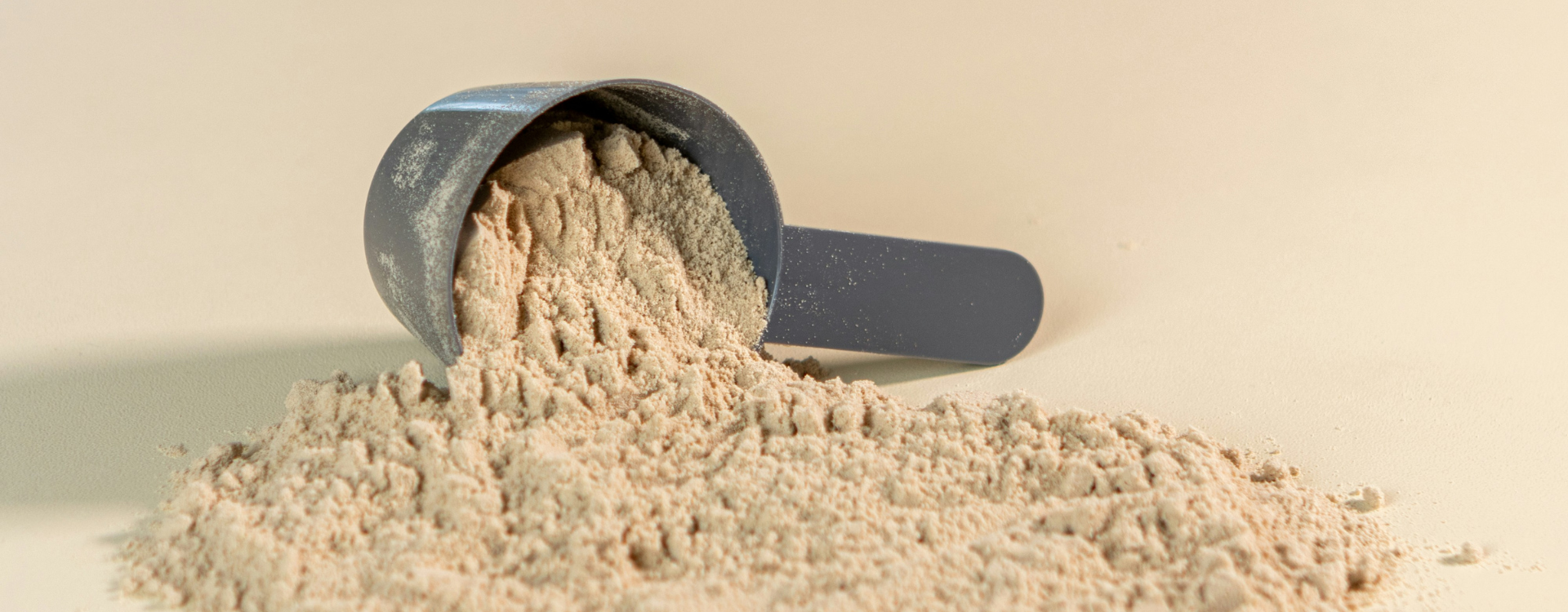
Protein is a valuable macronutrient in every diet. Amino acids cannot be synthesised from glucose or fats, so they have to be ingested from food or dietary supplements. Health benefits of protein are numerous but powders and bars won’t always be a good choice. What are the typical risks and side effects of protein powder?
Protein Powder Benefits and Risks – An Overview
While a healthy and well-balanced diet is the main pillar of fitness, supplements can greatly improve your results if used properly. There are many different types of supplementation, but protein powder and protein bars are among the most popular. Why is that so?
They can be easily adapted for any goal you want to achieve, both bulking up and cutting. It’s an easy way to meet nutritional needs if you would like to increase protein intake. It’s especially important for athletes, but also elderly people, who sometimes do not eat enough specific macronutrients.
Preparing a shake or unpacking a bar is also an easy and convenient way to ingest a solid portion of protein without time-taking meal preparation. If you’re in a hurry, this can make a great difference.
For people that follow a very strict dietary regimen, protein shakes and bars are also a tasty cheat-meal. Without eating sweets, simple sugars and trans fatty acids, you can experience a sweet taste. Breaking monotonous diets is sometimes invaluable for the mind, if not for the body.
While protein powder can bring plenty of benefits, it’s not always the best choice. It’s still artificial food with sweeteners, dyes and other additions that aren’t natural. Before buying a bag of whey or box of bars, always read the label cautiously. Look not only for tables with macronutrients and caloric value, but also a list of ingredients.
Basically saying, the shorter this list (and lesser ingredients are compounded), the healthier the product.
Benefits of Protein Powder
Firstly, let’s look at protein powder benefits. From maximum convenience to the valuable addition of macronutrients, this kind of supplementation helps you to build better shape.
Muscle Growth and Regeneration
The main advantage of protein powder is supplying the body with amino acids. These particles are little blocks that build complex structures of proteins. Amino acids are needed for muscle building and recovery. During intense training sessions, muscle tissue is exposed to severe trauma. As a result, micro-tears are made. If you don't supply the body with enough energy and macronutrients (especially carbs and fats), a process of Muscle Protein Breakdown (MPB) will overcome Muscle Protein Synthesis (MPS). If MPB is greater than MPS, a catabolism will make you weaker and muscles won’t grow.
There are many different types of protein fractions. The most prominent whey protein benefit is the short time of absorption. They do the best job when consumed immediately after a workout. On the other hand, casein protein powder benefits from long digestion time. When drunk, micellar casein will release amino acids for long hours during nights’ sleep.
If you want to improve protein efficacy for muscle building, consider mixing it with creatine. Men can also add natural testosterone boosters to raise testosterone levels safely.
Increased Bone Density
High-protein diets could positively affect calcium and bone homeostasis through their effects on calcium absorption, bone turnover, and production of insulin-like growth factor-1. It’s especially important for elderly people, who are at risk of osteoporosis. You don’t have to work out a lot to effectively use protein supplements!
Multi-Vector Approach with Plant-Based Protein
If you want to support your body with not only protein, but also micronutrients and fibre, choose plant-based protein. These are mixes of protein from different plant-based sources (e.g. pea protein, brown rice protein, pumpkin seed protein), usually with natural sweeteners only, like stevia or xylitol. Experienced producers combine different fractions of protein to achieve a complete amino acid profile. This way you support the body with a product, which isn’t any less than animal-based protein.
Meal Replacement
Protein shakes and mass gainers serve well as meal replacements. While they can’t replace a fully fledged meal, this is the easiest way to supply the body with protein (and in case of gainers, also with carbohydrates). If you have a long break between meals or have to return home after a workout, by drinking a protein shake, you protect muscles from degradation by supplying the body with amino acids. Just be sure to choose the right fraction, like whey protein hydrolysate. Endurance athletes and CrossFit practitioners may benefit from a combination of whey and carbohydrates. Such a mix will greatly enhance the glycogen restoration rate.
Convenience and Ease of Use
The benefit of protein bars and shakes is also maximum convenience. No shopping and standing in queue, no cooking. A shake can be made within a few minutes and bars are easy to take along, no matter where you go. This can come in handy during business trips, long days at school or during mountain hikes.
To ensure amino acids are distributed in a stable way, choose animal protein blend instead of typical whey protein. Beef is deemed to be one of the most valuable sources of protein that exists.
What Are the Risks Associated with Protein Powder?
While protein supplementation is practical and may be helpful, it also has some downsides. As they say, all that glitters isn’t gold. What are the main protein powder side effects?
Potential Toxins
The production process of protein powder and bars is a complex one. Artificial ingredients and the process itself can be contaminated by harmful substances. Heavy metals (especially lead), BPA (Bisphenol-A) and pesticides are just a few to name. When aggregating in the body for a long time, these toxins may influence overall health, destroy internal organs or even induce carcinogenesis.
What to do? Always check if the producer is renowned for quality. Look for certificates such as GMP, ISO standards and other similar differentiators. Consider buying clean protein without artificial flavours.
Digestive Issues and Allergies
Some people may have problems with digesting lactose. Intolerance for milk sugar is becoming more and more popular. It can also develop with age, so even if in the past you could easily drink milk, now it may make you bloated. In case of lactose intolerance, typical whey protein side effects are:
- bloating,
- gases,
- stomach cramps,
- diarrhoea or constipation.
What to do? If you want to avoid such unpleasantries, consider choosing a lactose-free protein or vegan plant protein.
Weak Ingredient Profile
Protein shakes side effects are sometimes hidden in the ingredient profile or proportions of macronutrients. On the market, there are products that contain from 70% to 100% of protein. Powders with less protein are cheaper and tastier, but they also contain a lot of sugar and fat. During the bulking up phase, drinking such ‘lesser’ products won’t make much difference, but when you’re fighting to burn excessive adipose tissue, choosing the wrong supplement can drastically hinder your results.
When it comes to protein bars, some cheaper products can have glucose syrup or even sugar in the ingredient profile. Eating such products is not so much different from cravings for sweets. You’re just fooling yourself about being on a healthy diet.
What to do? Always read the ingredients profile and macronutrient table carefully before adding the product to the cart. Better properties usually come along with higher prices.
Side Effects of Too Much Protein
According to scientists, recommended intake of protein for physically active people is between 1.4 and 2.0 grams of protein per body kilogram. This amount is enough to build or maintain muscle mass through a positive muscle protein balance. Excessive intake of protein will result in converting protein into energy or forming more urea, which is excreted from the body. But what is happening, when you’re constantly eating too much protein? Typical side effects are gastrointestinal problems, such as constipation, nausea, diarrhoea and stomach pain, as well as cramps.
Another problem is possible dehydration. Kidneys need extra water to process and excrete nitrogen waste products. It can be avoided by drinking more water during high protein-intake periods.
It should be stated that eating large amounts of protein is basically a waste of money. You won’t gain muscle faster, nor will you lose fat at a higher rate. The effectiveness of processes connected with muscle protein synthesis and lipolysis depends on a plethora of different factors – genetics, diet, training regimen, sleep quality and quantity, as well as many others.
Should You Drink Protein Shake If You Don’t Have To?
Choosing a protein shake or bar instead of eating normal food is a pure convenience. If you have time and possibilities to cook dinner or make supper, always choose this option. It’s better for your overall health, since no supplement can replace hundreds of different compounds from meat, rice or vegetables. Even the best formula of powder is limited to basic substances.
Are There Any Long-Term Side Effects of Whey Protein?
If you’re busy and have a complex training regimen, it’s easy to give up some real food and exchange it for protein powder or bars (be it when or any other fraction). If you do this for a couple of days, probably nothing harmful will happen. But when supplements start to supersede natural products, there’s a severe risk of nutrient deficiencies. Lack of fibre, vitamin and minerals result in overall weakness and can develop different health problems.
Long-term excessive protein consumption may cause a kidney and liver strain, because of the need to process supplementation and excrete metabolites. Some people experience acne and other skin problems.
Paradoxically, eating a lot of protein food, powder or bars (especially of low quality) can result in additional kilograms on the scale. If you want to lose weight, always keep a calorie deficit, not a surplus, no matter the source of energy.
If you have problems with composing a diet, try to use sports dietitian's help or visit the GP and ask for advice. A healthy and well-balanced diet is a key to good shape, no matter how much you train.