Whey Protein and Vegan Protein. A Quick Comparison
Protein is one of the three main macronutrients crucial for body functioning. Dietary deficits of natural protein can strongly impair your athletic performance and muscle mass gains. To complete your diet, you can always buy protein in powder as a supplement. All protein powders available on the market can be divided into a couple of bigger groups. Two main choices are whey protein and vegan protein. Which one is better?
Vegan and Whey Protein Benefits
No matter, if you choose whey protein or plant-based protein supplements, both can be used for multiple purposes. How can you utilise these products? Most importantly, protein is crucial for muscle growth and recovery after workout. It is a source of amino acids, which literally build muscle tissue. Amino acids are needed for swift supercompensation (a process occurring after effort, during which muscles are builded up and strengthened).
Amino acids are used to create different antibodies, which support your immune system and fend off pathogens. The deficit of protein can often result in weaker immune response and makes you more susceptible for infections.
Another role of protein is hormone and enzyme production. Somatotropic hormone, insulin, calcitonin and erythropoietin are just a few to mention. Without it, your body cannot function properly. It should be mentioned that protein strongly inhibits hunger. Its higher intake will help you to reduce cravings for food and could make body mass reduction easier. You can also try to combine protein shakes with weight loss supplements and see if results faster will be greater.
If you want to enhance athletic performance, consider combining protein shakes with creatine supplementation. You can choose either simple creatine monohydrate or one of the more advanced forms, such as creatine HCl.
What Is the Demand for Protein?
Before you grab a protein shake, read this part of the text carefully. More protein ingestion doesn’t always lead to better results. It is strongly grounded in science that physically inactive people need circa 0.9 grams of protein per kilogram of body weight. And what about athletes?
- For muscle mass building, you need from 1.4 to 1.8 grams of protein per kilogram of body weight.
- For reduction, it is best to supply between 1,8 and 2.0 grams of protein per kilogram of body weight.
- Endurance athletes should ingest between 1.4 and 1.8 depending on intensity (long-distance runners need less protein than sprinters).
Times where gym goers believed that it is advisable to eat 2,5 or 3 grams of protein for each kilogram of weight are long gone. Additionally, eating more than 400 to 500 grams of red meat (which is a great source of protein) per week poses danger of cardiovascular diseases and hyperlipidaemia. Plant-based protein does not carry similar risk.
Benefits of Whey Protein
All types of whey protein are made from dairy, specifically from whey, which is a byproduct of cheese production. After whey is gathered, all ingredients except protein (carbohydrates, fats) are being removed. Percentage of pure protein can range from 70 to 100%, depending on production technology.
While dairy is a base resource for whey protein, it contains lactose. As such, it’s inadequate for people with lactose intolerance. It is known that lactose intolerance can develop over the years. If you could safely eat dairy in the past, but now it results with bloating, gases, nausea or diarrhoea, maybe it’s time to switch from whey protein to plant-based powder?
Best Whey Protein: Isolate vs. Concentrate vs. Hydrolysate
Protein made from whey, either whey protein hydrolysate or other, is a great source of BCAA (branched-chain amino acids). BCAA (which contain leucine, isoleucine and valine), are especially important for humans, since we cannot produce them by ourselves. If you need faster muscle recovery, vegan protein sources are less complete. Whey types of protein are made in three different variants.
Whey concentrate is low in fat and cholesterol, but higher in carbohydrates (especially lactose) in comparison with other types of whey protein. Concentrates contain between 70 and 90% of whey, depending on technology production.
Whey isolate has a very low fat and carbohydrates level. It usually contains circa 90% of protein. At first glance isolates are much better than concentrates, but lack of fat makes it less nutrient-rich.
Whey protein hydrolysate is the most expensive of the three, but also the most advanced. It is easy to digest, less allergic and can be absorbed much faster than other types of whey protein.
Depending on how protein is made, different types of product are suitable for different stages of the training season. Whey concentrate is good during muscle mass building. Isolates are better during reduction. Whey hydrolysate is the most versatile choice, but can be pricey.
Is Whey Protein Gluten Free?
If you have coeliac disease or gluten intolerance, be sure to buy only gluten-free foods. Most of the whey proteins on the market do not contain gluten, since it’s an animal-based product. Nevertheless, always check on the label. Some supplements are made using the same machinery as other foods that may contain gluten or other allergens.
Exploring Plant-Based Protein
Vegan sources of protein are quickly gaining popularity due to wide interest in plant-based diets. Companies produce vegan plant protein from one or more sources to diversify amino acids profile. The most popular are:
- pea protein,
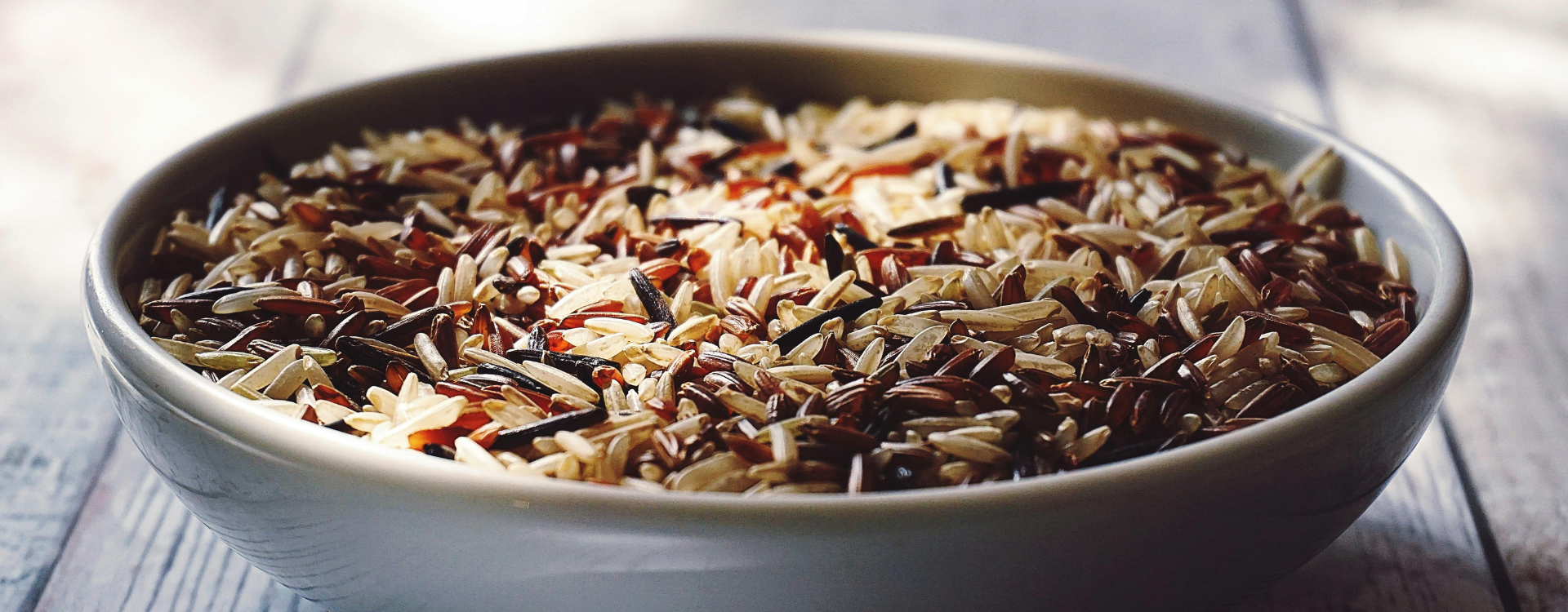
- brown rice protein,
- hemp protein,
- soy protein,
- pumpkin seed protein.
The process of production is totally different. The resource is grounded into flour. Parts other than peas or grains, like fibre and starch, are eliminated through the filtration. Depending on the production process (concentration or isolation), the percentage of protein can range from 70 to 90%.
Best Vegan-Protein Powder – What You Should Know
Are plant-based protein sources good enough to help you out with muscle building? Well, the answer is both, yes and no. So let’s start from the basics.
The biggest advantage of plant-based protein is the presence of vitamins and minerals. Since these products are made from grains and such, which are invaluable sources of nutrients, vegan proteins are richer in healthy ingredients too. They have more zinc, magnesium, copper, iron, B-vitamins. In the long-term perspective, plant-based proteins present a holistic approach to fitness and wellbeing.
No less important is dietary fibre. Although most of it is being flushed out during processing, plant-based protein still has more fibre than whey powder. Why should you care about fibre ingestion? It is very important for your overall health. High-fibre diet:
- lowers risk of chronic diseases,
- helps with weight management,
- regulates gut motility and prevents constipation,
- feeds helpful bacteria.
All the advantages of plant-base protein cannot eliminate the one, severe downside. Not all sources are complete. They contain all amino acids, but some of them in small amounts (e.g. low lysine level in grains). To ensure complete coverage, it is crucial to mix different types of vegan protein sources or buy a powder that has been made from more than one bioactive ingredient. It can be a mix of pea, brown rice and pumpkin seed.
Protein powder made of plant sources has also a specific, floury taste, while whey-based products are more creamy. But, as they say, tastes differ.
Whey vs. Plant-Based Protein: What’s Better for Consumers?
Now you know the most considerable differences between whey and plant-based protein. Which type of protein to choose depending on your goal?
Assess the Amino Acid Profile
If you want quicker, stronger results, in most cases whey protein hydrolysate would be a good choice (and beef protein even better). Easily digestible and full of all amino acids, it’s perfect for bodybuilders, CrossFit challengers and endurance runners. If you do not tolerate lactose, choose lactose-free proteins. They won’t irritate your bowels, so are generally safer to use. In the case of vegans or vegetarians, plant-based is the only choice. They may contain a less-complete amino acid profile, so read the ingredients table first.
No matter your choice, a well-balanced diet should be the main pillar of a healthy lifestyle. Any kind of supplement, including protein powder or carbohydrates, is only an addition. They can help you with regeneration, add some energy or delay fatigue to some extent, but they won’t replace natural food nor regular physical activity.
Can You Drink Protein Shakes as a Supper?
The key to swift regeneration is to feed your body with amino acids in regular intervals. But what should you do when going to sleep? A fasted state may be good for your body, but to stop catabolism of muscle tissue, ensure protein source is present in the last meal. It can be a chicken breast, but animal protein absorbs rather quickly. A better choice would be micellar casein. It is digested for hours, trickling regularly with amino acids. As such, it protects muscles from collapsing and makes you feel full at night.
Absorption Rate of Whey and Plant-Based Protein. What to Know?
The timeframe of protein absorption is vital for maximising the results of supplementation. How to understand differences between ‘fast proteins’ and ‘slow proteins’?
The first group is represented mostly by whey proteins. They are absorbed within 1 to 3 hours at maximum, making them an ideal choice immediately after workout is done. Whey proteins fit perfectly into the anabolic window concept. Drinking it shortly after strain allows your body to absorb amino acids nearly instantly.
Soy and other plant proteins have a longer timeframe, usually 3 to 4 hours. Moderate speed of nutrients absorption makes them great as meal replacement, but rather not as post-workout support. Slightly slower absorption has albumin from eggs. In this case, the timeframe is between 3 and 5 hours.
The slowest protein is casein. It delivers amino acids for as long as 7 hours. It’s the best candidate for nights.
Make the Protein Shakes Working for You
Although protein shakes alone are a valuable addition to a diet, they alone won’t help much with supercompensation. One of the best strategies, used by many athletes, is to combine carbohydrates with protein 4:1 or even 5:1 proportion (i.e. 10 grams of protein for every 40 to 50 grams of carbs). This is a way to replenish glycogen stores much faster. Combining it with creatine, you support muscles even further.
If you train a lot or very heavily, consider using gainer or bulk instead of a typical protein supplement sometimes. They have much less protein, but support your body with carbs. Just don’t drink gainers and bulks before night's sleep. High-energy density and sugar can result in gaining up fat mass instead of muscle mass.
There are many types of sport supplements for beginners and advanced athletes. In case of any doubt, consult their application with a personal trainer or sport dietitian.