How to Start Taking Creatine: Beginner’s Guide
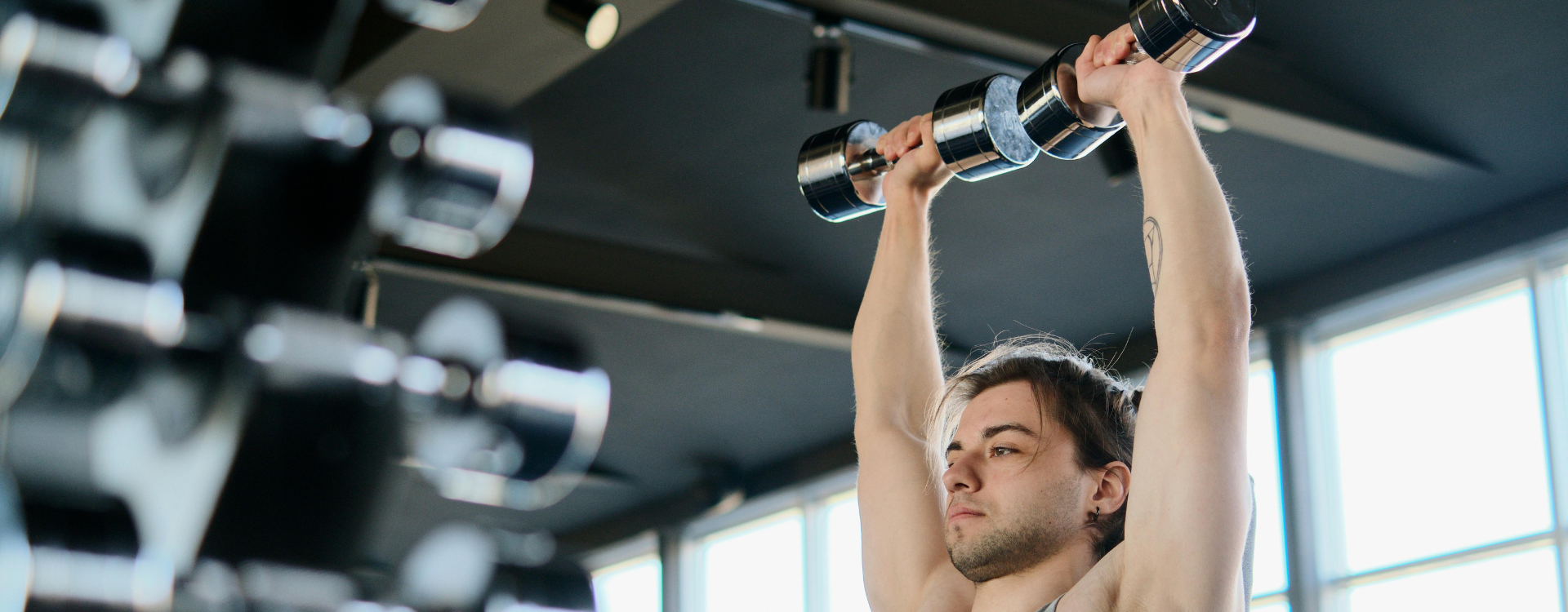
Creatine is one of the most thoroughly and widely researched types of sport supplementation. It can greatly increase results at the gym, in the CrossFit box or on the running track if you know how to use it properly. The question, however, is whether you know how to use it. Read, what is creatine good for and what is the best way to take creatine.
What Is Creatine?
Let’s start from the basics: what is creatine? From a chemical standpoint, it’s an amino acid derivative produced within the body and stored mostly in muscle and brain tissue. Endogenously, creatine is synthesised from glycine, arginine and S-adenosyl methionine. Exogenously, creatine is naturally supplied from food. Its best natural sources are:
- beef,
- pork,
- chicken breast,
- cod fish,
- salmon.
Creatine can also be supplemented in different chemical formulas. It is especially important for physically active people, while constantly maintaining an adequate diet (a meal plan that supplies enough creatine) is often a strenuous task. Benefits of creatine are especially visible for athletes on plant-based diets (i.e. vegans or vegetarians), since this kind of food doesn't contain creatine at all.
Benefits of Creatine Supplementation
Benefits of taking creatine arise out of its role in the body. To make an explosive effort, like lifting a heavy weight or running a sprint, your body needs an ATP (adenosine triphosphate). It’s a basic and very efficient source of energy needed in the cell cycle.
Unfortunately, ATP depletes quite fast. After a few to several seconds it’s running out and has to be replenished. The more creatine your body has, the longer it is possible to do an anaerobic (very intensive) exercise. While the common truth says, creatine is to be used mainly with weightlifting, it’s a kind of very versatile workout supplements. Any creatine form (such as creatine monohydrate or creatine malate) can make a big difference in any discipline that uses strength or raw power as an indicator of effectiveness. Good examples will be:
- CrossFit,
- short-distance running,
- martial arts,
- cycling,
- rugby.
Muscle Growth
Creatine allows you to do more hard work at the gym. It means stronger signals for muscles to grow. Directly, creatine is responsible for anabolic hormones' response (i.a. IGF-1 increased secretion) and activating muscle pathways, such as mTOR, which are vital for muscle tissue repair and synthesis.
Additionally, creatine makes muscles swell due to water retention. It contributes not only to visible changes, but also promotes muscle growth. Its effectiveness strongly depends on staying hydrated.
Improved Athletic Performance
More ATP means, you can maintain submaximal and maximal effort a little bit longer. From a practical point of view, it means more repetitions on a bench or with a kettlebell, but also a faster or longer sprint.
It’s worth mentioning that creatine is an ergogenic aid, however it doesn’t enhance mood in any way. It cannot be compared with caffeine, weight loss supplements or adaptogens, since its mechanism of action is totally different. Creatine acts in a long-term perspective. It can make a big difference, but demands consistency and patience.
Easier Cutting Phase
Indirectly, creatine will also help you to reduce body fat, while maintaining muscle mass at the same time. How is creatine used for cutting? More ATP reserves make you able to work out heavier. More training load contributes to greater caloric expenditure. An energy spent comes from glycogen, but also adipose tissue. Creatine acts as an anticatabolic. It preserves muscles from being used up as a fuel.
How to Start Taking Creatine Effectively?
You already know what creatine is for. It’s time to explain, what time is best to take creatine and how to use it in a most effective way.
Recommended Forms of Creatine
You can come across a lot of different creatine chemical formulas. The most popular are:
- creatine monohydrate (simple, micronized or Kre-Alkalyn),
- creatine malate,
- creatine magnesium chelate,
- creatine HCl.
There is no clear evidence, which form of creatine is best in the meaning of greatest strength or muscle gains. However, more advanced forms exceed in solubility and digestibility. Usually, they make your body absorb less water. It means that they are less likely to irritate bowels.
You can also buy a creatine stack. Basically, there are two or more different types of creatine. Stacks can be a little more effective, but are destined to use by more advanced athletes. If you are at the beginning of a sports journey, a simple creatine monohydrate should be enough.
No matter the form of creatine you choose, never forget to stay hydrated during the day. Try to increase your usual water intake by at least half.
Typical Creatine Protocol – Maintenance Phase
The maintenance strategy of taking creatine relies on constant dosage of creatine, circa 3 grams of monohydrate (or a little bit less in case of better-soluble forms) per day. No matter what choice of yours is, a typical creatine cycle lasts a few months, but it can also be safely prolonged to a whole year or longer.
Through the maintenance phase, concentration of creatine is rising steadily. It won’t peak in a matter of days, but rather weeks. It’s a good thing, though, because of more stable water retention. Furthermore, it’s also easier to implement into a training regimen, you don’t have to remember about loading dosage.
What Is the Best Time to Take Creatine?
As mentioned before, creatine works best in long-term supplementation, so there’s no much benefit from taking creatine before a workout. You can ingest it at any time. While science backs up the thesis about anabolic window and greater nutrients' absorption after workout, it doesn’t seem to affect creatine effectiveness. In case of the loading phase, it would be wise to divide the bigger portion into 4-5 smaller ones. This way you can reduce risk of digestive issues.
How Long Will It Take to See the Benefits of Creatine?
Creatine supplementation doesn’t give immediate results. It lasts at least a couple of days before you’ll notice your muscle bulging. Strength and power increase is more likely in a matter of weeks than days. The reason for this late start is that your muscles have to absorb creatine and gather it. To enhance the effectiveness of creatine, try to combine it with taurine or carbohydrates. These are the most popular creatine transporters.
Is Creatine Supplementation Safe?
One of the biggest advantages of creatine is its safety profile. Creatine is widely and thoroughly researched for decades. It’s safe for both men and women as well as athletes under 18 years old. Typical contraindications include kidney or liver disease and unregulated hypertension.