What Are Ashwagandha Side Effects?
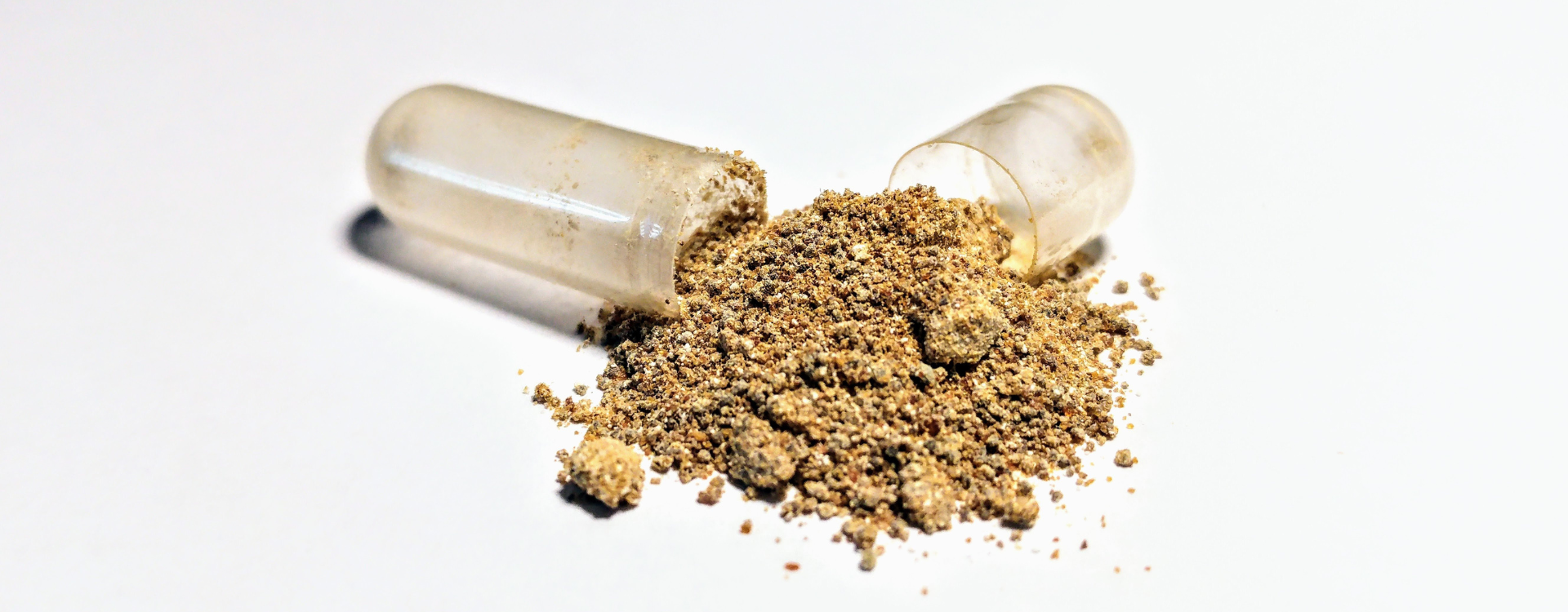
Ashwagandha belongs to a wide range of adaptogens. They are herbal extracts that affect mood and help to manage stress more effectively, as well as impact positively on physical performance. Despite its popularity, recently ashwagandha raises many questions about its safety. What are typical side effects of ashwagandha for males and females?
What Is Ashwagandha Used For?
Ashwagandha is an evergreen shrub coming from India. Its name in Sanskrit means literally ‘horse-smell,’ since it resembles the odour of wet horse hair. Ashwagandha has been used for thousands of years as a part of Ayurvedic medicine for its potential anti-microbial, anti-inflammatory, anti-stress, cardioprotective, and neuroprotective properties. It also shows great potential as a natural testosterone booster, similar to fenugreek or tribulus terrestris.
Do you want to know more about ashwagandha's potential benefits? Read our article: Ashwagandha – What It Does, Uses, Side Effects.
Is Ashwagandha Safe to Take?
Generally, ashwagandha supplements are safe to take if you are using them according to manufacturer guidance and choose a product from a legitimate source. Most scientific papers gathered reports about therapies lasting from 1 to 3 months with dosage of 300 to 600 mg per day (or even as small as 120 mg depending on the source). Despite ashwagandha's popularity, it should be remembered that this herb is rather potent and may cause side effects, some of them severe, when taken irresponsibly.
What Are Possible Side Effects of Ashwagandha?
Ashwagandha supplementation may be responsible for gastrointestinal tract discomfort, hormonal imbalance, hair loss, and many other health problems. Let's look at them a little closer.
Can Ashwagandha Irritate the Gastrointestinal Tract?
Ashwagandha supplementation, especially in high doses or for a long period of time, can make you experience GI problems. They are rarely dangerous, mostly unpleasant. Typical side effects are nausea, stomach pain, heartburn, diarrhoea or vomiting. Side effects from the gastrointestinal tract occur more often among people who have sensitive guts or suffer from ulcers.
If you look for help with gastrointestinal problems, consider taking supplements for gut comfort.
Can Ashwagandha Cause Anxiety?
Generally, the chemical profile of ashwagandha should calm nerves and help you to release tension. Its biologically active compounds interact with thyroid hormones. Especially in patients with subclinical hypothyroidism, herbal extract from ashwagandha may improve levels of T3, T4 and TSH. In rare cases supplementation can worsen symptoms of hyperthyroidism, which are anxiety, rapid heartbeat, and fatigue not connected with activity.
Do you seek support with relaxation? Consider supplements for good sleep. They may regulate circadian rhythm, calm the nervous system, and enhance sleep-inducing neurotransmitter levels such as melatonin.
Does Ashwagandha Cause Hair Loss?
One of the key effects of ashwagandha’s supplementation is an increase in testosterone level. Being an anabolic hormone, testosterone promotes muscle mass and strength increase as well as supports oxygen transportation and regeneration rate. In some individuals, though, increased testosterone (mainly dihydrotestosterone, the strongest biologically active form of sex hormone) may be the cause of hair loss and skin problems (acne).
If your goal is to support physical performance, try to use creatine as a single form or stack. You can also support muscles with branched-chained amino acids or beta-alanine.
Can Ashwagandha Cause Depression?
A meta-analysis by Saleh A. Alsanie et al. from 2026 published in Complementary Therapies in Medicine conducted on a large group of nearly 1400 adult patients showed that ashwagandha reduces stress, anxiety, and depression and shouldn’t cause any mental problems. Lower doses (≤500 mg/day) and longer interventions (>8 weeks) gave greater benefits. It has been reported that ashwagandha gave greater positive effects among people with previous-existing mental conditions.
Therapeutic benefits are attributed to phytochemicals known as witanolides and alkaloids. They regulate the action of the HPA axis (hypothalamic-pituitary-adrenal) and attenuate stress and nervousness.
Ashwagandha and Blood Pressure – Are They Connected?
Ashwagandha supplementation does not interact strongly with blood pressure in healthy patients. It may, though, slightly lower systolic and diastolic parameters, especially when taken by people with hypertension. You should be aware that connecting ashwagandha with blood pressure medications can lead to dangerous drops in blood pressure.
Can Ashwagandha Make You Tired?
Yes, as mentioned earlier, ashwagandha interacts with thyroid hormones and may raise them a bit. If that’s enough for hyperthyroidism, you can experience being tired without obvious reasons.
Can Ashwagandha Do Liver Damage?
According to literature, most cases of ashwagandha-associated liver injury have been mild-to-moderate in severity and self-limited in course, but fatal cases due to acute liver failure or acute-on-chronic liver failure have also been described. If you want to be sure that your liver is in good shape, take liver tests (ALT, AST, GGTP). In most instances, the liver injury subsides within 1 to 4 months of discontinuing the herbal product.
What Are Ashwagandha Contraindications?
Due to sparse reports concerning ashwagandha side effects (as similar to any other adaptogens), ashwagandha should be avoided by people with hyperthyroidism. Can you take ashwagandha while pregnant or nursing? No – due to lack of medical evidence concerning ashwagandha safety to a fetus or its interaction with milk, it’s strongly advised to avoid adaptogens during pregnancy and breastfeeding.
Before starting ashwagandha supplementation, be sure to consult your GP about any drugs you are taking daily. There have been many reports about possible interactions between this kind of adaptogen and drugs. Most of all, be aware of:
- blood-sugar lowering medications used to treat diabetes or metabolic syndrome,
- blood-pressure lowering medications, as ashwagandha may lead to confusion, light-headedness and weakness,
- sedative medications (i.e. opioids, benzodiazepines or sleep-inducing supplements),
- immunosuppressants, since ashwagandha significantly boosts immune system response and can weaken drug potency,
- potentially hepatotoxic products – ashwagandha itself may be harmful for the liver, so combining it with other similar-acting products brings the effect of synergy.
How to Choose Ashwagandha Products?
If you want to choose ashwagandha supplementation, be sure to choose a product from a legitimate source. Check if the manufacturer has implemented GMP certification and makes scientific (not marketing) claims about the purity of ingredients. Always take supplementation as directed and treat it only like an addition to a healthy lifestyle. They will never replace proper rest, physical activity, and a well-balanced diet.