Why is Protein Good for Weight Loss? A Simple Explanation
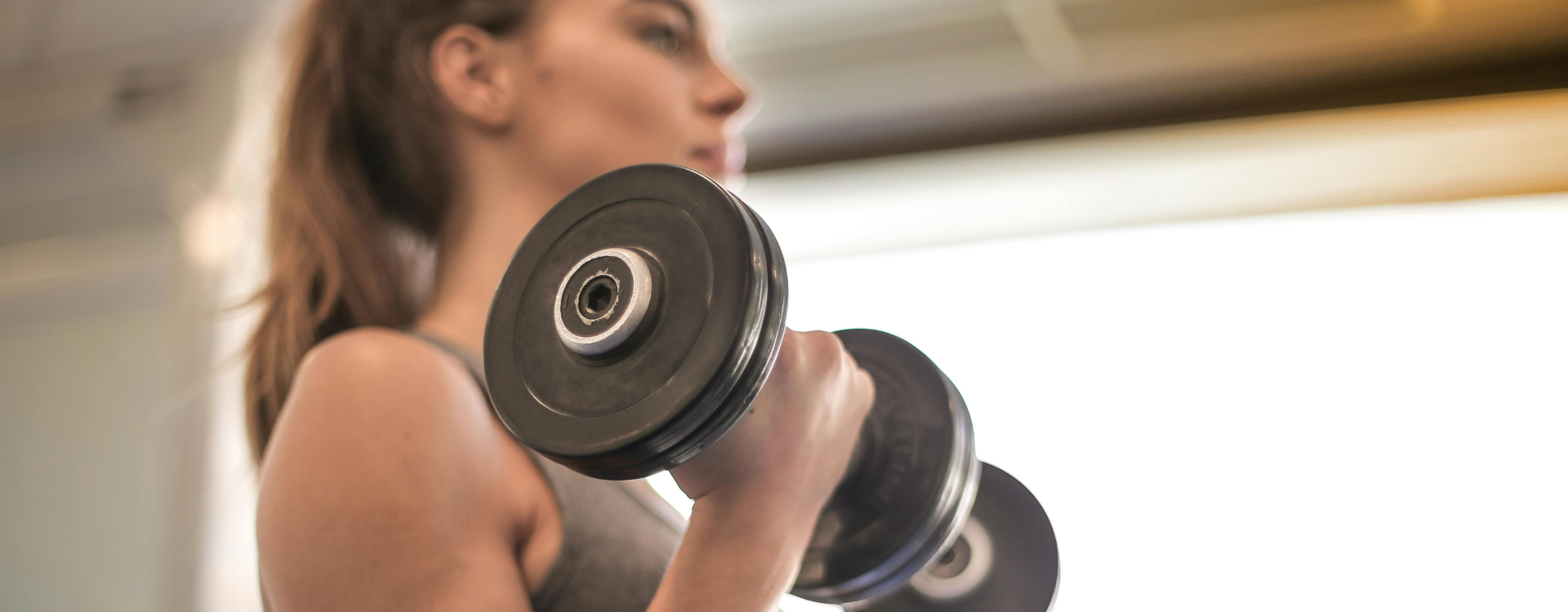
Protein is one of the three macronutrients that build your body. Unlike carbohydrates and fats, protein is not a direct source of energy but rather helps with regeneration, immunity and hormone regulation. It also brings a plethora of other benefits. One of them is body mass regulation. Does protein make you lose weight and how does it work?
What Are the Benefits of Protein for Weight Loss?
Among athletes, protein is mainly associated with muscle mass building and protection of myocytes from catabolism (breaking down). This macronutrient can also be effectively used for body weight regulation. How does protein help you lose weight?
On one hand, protein is responsible for hormonal response, suppressing appetite and prolonging fullness. It boosts excretion of hormones like GLP-1 (glucagon-like peptide 1), peptide-YY and cholecystokinin, which makes you feel full. At the same time, it limits production of ghrelin, a hunger-inducing hormone. Because of these changes, food cravings are less frequent and you eat fewer calories.
On the other hand, protein helps to preserve muscle mass. Protein particles are made of amino acids. They can be compared to blocks that build your tissue, most of all muscles. When calorie intake is lower than your daily requirement, muscles are protected by extra amino acids from being broken down for energy.
Consider combining protein shakes as post-workout help and BCAAs as intra-workout support. This way, the body is supplied with a constant stream of material for muscle building and protection. You don’t have to be afraid of catabolism, but don’t forget to drink enough water. It makes up approximately 76% of muscle tissue.
Does Protein Make You Gain Weight?
Increased protein intake can be an effective way to gain weight. If you want to bulk up, eating more protein supports your body with amino acids as well as creates positive nitrogen balance. However, to increase muscle mass, you have to create a surplus of energy from food. Eating more calories than you spend leaves a ‘material reserve’ that can be used to synthesise new muscle cells and enlarge the existing ones. Hypertrophy without this surplus is virtually impossible, no matter how much protein you would eat.
So, does whey protein make you gain weight? It may, but it’s dependent on the overall diet. Try to add classic gainers to increase complex carbs intake or choose a little more expensive gainer-proteins, which are more complex combinations of carbs and different fractions of protein.
Is Protein Good for Weight Loss?
Now, let’s look, why protein is good for weight loss from a metabolic point of view. Digesting protein molecules is a very complex process, far more demanding than absorption of carbohydrates and fats. During the breaking down of protein, a lot of heat energy is created and dissipated. This is called the thermic effect. The power of thermic effect is circa 30% when digesting protein and as little as 5 to 10%, when eating carbs. It means that for each 100 calories your body spends 30 of them as heat. In other words, by eating more protein, you can limit calorie intake without conscious and constant restrictions, which are hard to maintain for a long period.
Another benefit of protein intake is digestion time and feeling of fullness. Depending on the fraction, it can differ from circa 4 hours (whey protein) to nearly 7 hours (casein). That’s why scrambled eggs make you full for longer than chicken breast or steak. However, this time chart also shows that ‘slower fraction’ delivers amino acids less effectively in short intervals than ‘quicker fraction.’
High-Protein Diet vs. Low-Protein Diet – Which One is Better for Weight Reduction?
Low-protein diets are generally less effective when it comes to body composition change and muscle mass preservation. If you want to control body weight consciously, always remember to add enough protein from different sources. Sufficient protein intake has been shown to be advantageous for developing muscle mass, muscle strength, muscle quality, as well as for improving recovery from strenuous exercise. According to scientific findings, an overall daily protein intake in the range from 1.4 to 2.0 g protein per kilogram of body weight daily (for physically-active people).
When composing a diet plan, try to mix different sources of protein both, animal-based and plant-based. It’s the best way to supply the body with enough macronutrients as well as deliver vitamins and minerals. Products such as beans are especially dense in minerals like potassium, magnesium, copper, manganese, calcium, phosphorus and zinc. Animal-based proteins are better sources of iron, which, in haem form, is much easier to digest than non-haem iron from plants.
Remember that there’s no universal diet plan. Recommended amount of calories as well as macronutrients is strongly dependent on:
- gender,
- body mass and composition,
- lifestyle (sedentary vs. active),
- intensity and length of trainings,
- overall health (e.g. malabsorption syndrome can hinder absorption of food nutrients from the gastrointestinal tract).
How to Increase Protein Intake for Weight Loss?
If you want to increase protein intake, firstly try to add some natural food. There are plenty of good protein sources for people on plant-based diets and meat-eaters. Some of them are:
- beans,
- peas and lentils,
- nuts and seeds,
- lean meats,
- fish,
- dairy products,
- soy products (eg. tofu, natto, tempeh).
There are no best protein foods for weight-loss, since the amino acid profile is a little bit different in case of each product. Remember that most plant-based proteins are complete (they contain all 20 amino acids), but some of the amino acids are scarce, such as lysine and methionine. To achieve complete support, it is a good idea to combine different sources of protein.
Plant food sources are precious for health because of the presence of dietary fibre, which lacks in animal protein. Fibre is vital for the body for different reasons. It may:
- help with blood sugar control,
- support gut microbiome,
- relieve constipation,
- lower ‘bad’ cholesterol.
Read the comparison of whey protein and vegan protein on our blog. There are quite a lot of differences between them!
In case eating enough protein with food is difficult, consider completing it with protein powder. There are many different fractions of whey protein (e.g. high-quality whey protein hydrolysate) as well as vegan plant protein. The latter kind of product is usually made from a mixture of brown rice, pea, soy, hemp and pumpkin seed. Protein from powder shouldn’t be used as a replacement for a healthy, well-balanced diet, although it can be helpful during intense training sessions.
There are also protein bars, which often come in handy when you’re on a business trip or mountain hike. Small and practical, they can be inserted easily into a pocket or backpack. The percentage of protein in bars can differ from 10 to over 30% per weight.
Which Protein Powder is Best for Weight Loss?
In supplement stores, you’ll find different types of protein powders. Is there the best protein for weight loss and how much powder should you eat?
Begin with identifying your needs. Gym enthusiasts, who want to build muscles, need more protein than marathon runners. The second step is to calculate how much protein you can deliver from food. The supplement should fill the existing gap. If you notice that protein powder makes up for 20-30% of your total amount of macronutrients, try focusing more on the diet instead of supplementation. Consider consulting a sports dietitian, if you have problems with balancing meals.
The choice of protein powder depends on your needs. Fast ingestion products are whey proteins, but also beef protein, which contains a high percentage of macronutrients but can be a little costly. If you want to support the body during night's rest, choose micellar casein.
More and more people have problems with digestion of lactose, which is a disaccharide from milk. If that is your case, try lactose-free protein to avoid digestive issues, such as bloating, gases and diarrhoea.
Most protein supplements contain sweeteners, such as maltitol or xylitol. In greater amounts, they can irritate your bowels. Look for alarming symptoms, such as bloating. If they often occur, reduce the intake of powder or bars.
Summing up, protein and weight loss are strongly connected. A diet adequate to your needs will make body mass control much easier and training more effective. Combining protein from natural food and supplements creates a favourable environment for optimal shape development.